How to Do Keyword Research for an International Audience
How to research keywords for international targets on a single website, taking in the geography, language, culture and search behavior of each target country.

How to Do International Keyword Research with SEO (Search Engine Optimization) Techniques
SEO experts already know what keyword research is. Keyword research has to be based on the right, relevant theme for each page of a website. Put simply, it's about how we target a web page at certain keywords so that visitors can find it. What makes international keyword research harder is that geography, language and culture differ from country to country and keep changing over time. Technology advances every year, and it carries information, communication, social connection and knowledge. In daily life, we depend on information we access online through smartphones, tablets, PCs and other connected devices.
How to Do International Keyword Research
The internet has become the main foundation for businesses and service providers to seize business opportunities. Keyword research for international targets starts with understanding your target market and the aspects below:
Global Business Opportunities
We know that a local business has certain limits. A company that builds a brand and becomes well known locally may be able to reach the global market. Businesses in many sectors offer their products and services to nearly every corner of the world. But a website is the key to doing business and strengthening the big opportunities on an international scale.
How Do You Reach International Customers Effectively?
Companies that want their products or services to be known in the global market have to target that market online with global SEO techniques. This opens up opportunities on an international scale and expands the business. The first step is to use SEO techniques and a content strategy to choose the right keywords.
Translating Your Website into Another Language
Translating a website into a foreign language looks simple, especially with free online translation services such as Google Translate. Translating keywords also seems quick and easy. But simply translating your keywords, or even whole web pages, is the wrong move. Without a proper foundation and research into each target keyword, you can end up targeting the wrong keywords and fail to reach international customers.
Global Keyword Research (SEO)
Keyword research is the most important part. You'll only reach an international audience effectively if you do the right keyword research first, before you start writing and translating content. Keywords have to meet the targeting criteria: they need search volume, and they must be relevant to the content.
Before You Start Keyword Research, Look at Each of These Aspects:
- Language: "What do they usually talk about?"
When translating keywords into a foreign language, we have to understand the language of a target audience whose language we don't speak. How do we translate keywords correctly? Which style of language is used most online? And how does educated language online compare with street language? Many translations mangle the grammar of the original, and that leads to poor search visibility. It's our job to pick the right language and the words target customers use in their own country. And always double-check that the translation is correct and fits the language of that country.
- Country: "Look at where your target audience is"
Make sure you understand where your audience is geographically. Is it a small country or a large one? Do they live in the capital? Where does most of the population live and work? What's the weather like? In the end, we can decide which products or services are most relevant to your target audience in a particular country. Some products or services may not be relevant in certain locations. For example, don't try to sell ice to Eskimos! :D
- Culture: "Understand your target audience's culture"
Make sure you understand your target audience's culture, mentality, customs and norms, etiquette and habits in every respect. Local culture shapes how the target audience searches, and that matters when choosing keywords.
- Other Factors: "Trends and staying up to date"
Many other variables can affect search behavior, such as politics, social structure and the economy of the target country. When a country goes through change, such as the fallout from a crisis, search volume changes too. Some products or services may not be relevant because of the variables above or others, and some may even be illegal. Don't translate carelessly: if you ignore how people in a given country search, you'll attract irrelevant visitors.
- Localization vs. Globalization
Doing global keyword research from scratch can take a lot of time, but the only correct and efficient way to reach a global audience is to look at the language used most widely around the world, English for example. This not only makes sure you choose the right target keywords, it also gives you guidelines for other parts of your website, such as design, user interface and content. A business strategy should rest on decisions drawn from and adapted to the analysis above. Your main products or services may or may not be relevant to a specific target audience; content may need specific information; the homepage may need adjusting; navigation menu links should be updated to match your main keywords; and so on. Optimizing your website for your target audience's search behavior matters, so that users have a great experience no matter where they are physically located or what language they search in.
SEO Tools for Keyword Research in 2017
You're probably already familiar with Keyword Planner, the most accurate Google keyword research tool. Nearly 90% of SEO experts recommend it for keyword research. But Google has limited how broadly we can use its keyword research tool (Keyword Planner). Since September 2016, Google has restricted keyword research for non-advertisers: you only get specific, detailed data if you spend on AdWords regularly. If you don't advertise on AdWords, Keyword Planner will look like this, with search volumes shown as ranges:
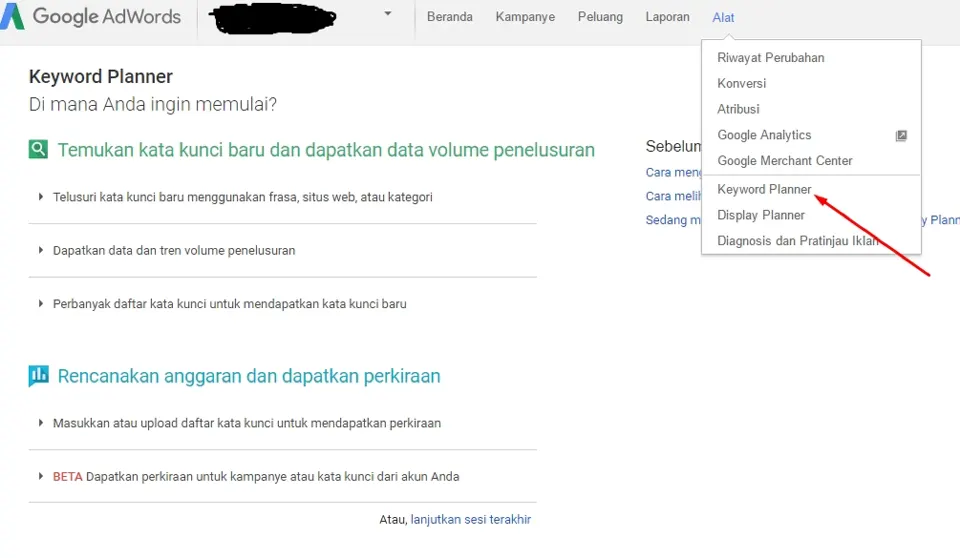

That's roughly how it looks for AdWords users who don't advertise.
Here are some alternative tools you can use for keyword research. There are many free and paid tools (this can be manipulated). Each tool has its own approach to keyword research, with different functions and capabilities. Without further ado, here are 18 alternative keyword research tools you'll need:
- Google Trends: https://www.google.com/trends (Google Autosuggestion in search box)
- Majesticseo: https://majestic.com/reports/keyword-checker
- Ahrefs: https://ahrefs.com/keywords-explorer/
- MOZ: http://moz.com/tools/keyword-difficulty
- RankTank (Excel): https://www.ranktank.org
- Tiny Suggest: https://www.tinysuggest.com
- Keyword pro: http://keywordpro.net
- KWfinder: https://kwfinder.com
- InstaKeywords: http://www.instakeywords.com
- RankBrain: https://rankbrain.me
- Wordtracker: https://freekeywords.wordtracker.com
- Ubersuggest: http://ubersuggest.org
- SEO Book: http://tools.seobook.com/keyword-list/generator.php
- WordStream: http://www.wordstream.com/keywords
- Keywordtool-io: http://keywordtool.io
- SEMRush: http://www.semrush.com
- Raven Tools: https://raventools.com/seo-tools
- KeywordSpy: http://www.keywordspy.com
Read next6 Effective Online Marketing Tips That Get Results